Skip to content

DEVELOPMENT

Still using Comic Sans? We forgive you, let’s rebuild

Content featuring strong visuals is shared 94% more than non-visual content,
demonstrating the power of creative design in engagement.

Let’s create your next big project together

Website Development

Lorem ipsum dolor sit amet, consectetur adipiscing elit. Aenean id tortor est. Morbi in consequat diam. Quisque vel lorem aliquet justo interdum ultricies.

Lorem ipsum dolor

Lorem ipsum dolor sit amet, consectetur adipiscing elit. Fusce luctus interdum diam in egestas. Proin vitae massa ut justo faucibus mollis a sit amet nunc. Donec semper gravida rutrum. Nunc nec tincidunt nibh. Integer diam ligula, gravida gravida congue nec, blandit et eros. Proin elementum viverra tincidunt. Sed at urna est. Nulla at luctus nisi. Morbi id quam sed enim egestas.

Website Hosting & Maintenance

Lorem ipsum dolor sit amet, consectetur adipiscing elit. Aenean id tortor est. Morbi in consequat diam. Quisque vel lorem aliquet justo interdum ultricies.

Lorem ipsum dolor

As a digital marketing agency, we ensure that your website is optimised for marketing from day one.
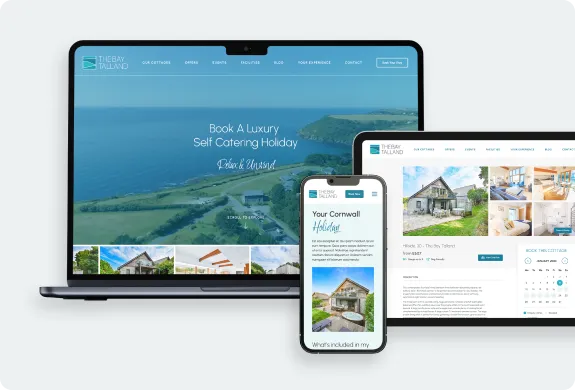
Our team of experts is dedicated to delivering high-quality, user friendly websites that are WCAG accessibility compliant and responsive across all devices. We work closely with you every step of the way to ensure that your website meets your unique business needs and goals. By combining our website design and development services with our other in-house marketing services, we offer an all-in-one solution to help boost your online business and take it to new heights.

Experiences Shared by Our Clients

Frequently asked questions

Lorem ipsum dolor sit amet, consectetur adipiscing elit. Aenean id tortor est. Morbi in consequat diam. Quisque vel lorem aliquet justo interdum ultricies.

Lorem ipsum dolor sit amet, consectetur adipiscing elit. Aenean id tortor est. Morbi in consequat diam. Quisque vel lorem aliquet justo interdum ultricies.

Lorem ipsum dolor sit amet, consectetur adipiscing elit. Aenean id tortor est. Morbi in consequat diam. Quisque vel lorem aliquet justo interdum ultricies.

Lorem ipsum dolor sit amet, consectetur adipiscing elit. Aenean id tortor est. Morbi in consequat diam. Quisque vel lorem aliquet justo interdum ultricies.

Lorem ipsum dolor sit amet, consectetur adipiscing elit. Aenean id tortor est. Morbi in consequat diam. Quisque vel lorem aliquet justo interdum ultricies.

A Search Ad is displayed when a user enters a query into the Google Search Bar, containing terms related to one of the keywords for that ad. These text based ads are shown above (and below) the organic search results, with their prominence based on a multitude of factors. As the original type of Google Ad, formally known as Adwords, they have stood the test of time, connecting the user’s intent with relevant products and services. Since their launch in October 2000, they have evolved considerably, harnessing the power of machine learning to optimise the way they are delivered.

Responsive Search Ads were launched in 2018, becoming the default type of Search Ad by 2021 and fully replacing the Expanded Text Ad by June 2022. Responsive Search Ads allow you to define up to 15 Headlines, 4 Descriptions, the Final URL (where users will land on a website), 2 Display Paths and optional Ad Assets, like call buttons and site links. Google serves users various combinations of these fields, and after a short learning phase, will begin to show the most successful combinations which users are responding to, more often. This means that the most impactful variations of your Search Ads lead the way. If certain pairings of headline and description text are bringing the most clicks or conversions, these are displayed more regularly to users as a result.

Dynamic Search Ads (DSAs) are a type of Google Ads campaign that automatically targets search queries using the content of your website, instead of relying on manually selected keywords. When a user’s search aligns with your site, Google creates a tailored ad headline and sends the user to the most relevant page on your website. DSAs work best alongside existing keyword-based search campaigns rather than as a replacement. Additionally they work particularly well with SEO strategies which focus on the quality of on-page content.

Traditionally, every aspect of a Google Search Ad was manually defined, with the headline text, description and landing URL all set in stone. This meant that if a campaign manager wanted to A/B test descriptions to see which version was more successful, this had to be done manually, and it was common for ad groups to become bloated, with many slight variations of the same ad being run at once. Responsive Search Ads handle this process automatically, giving a higher visibility to the headlines, descriptions and more, which real users are engaging with.

Every Google Search Ad has a list of keywords associated with it. This curated list instructs Google to only show the ad if a user enters a query that includes (or is closely associated with) one of these words. Additional factors influence whether the ad will show, along with how prominently. This includes ad budget, audience information and habits associated with the user, quality of the website landing page experience, campaign goals, bidding strategy, and the visibility of your competitors ads.

The best results come from the most relevant keywords to the products and services being promoted. Google assesses how relevant the keywords, ads and landing pages all are to each other, giving favour to campaigns where all three factors are closely aligned. A mixture of keywords should be chosen based on various factors. Keyword research demonstrates how popular particular search terms are with users, but this should always be weighed up against what competitors are doing, along with the likely cost and conversion rate. For example, a particular keyword might be the most relevant for the service being promoted, but it’s also the one which every competitor uses in a highly competitive market. This drives the bid price up, resulting in a very expensive cost-per-click. Based on the overall ad budget which the business can afford, making an acceptable return on investment, just isn’t feasible. It would be better to also include less popular, cheaper keywords, which may cause the ads to show less often, but are more likely to grab users’ attention and convert, based on the lower competition. If a business has USPs or niche services, this approach can be highly lucrative.

Recent blog posts

Lorem ipsum dolor sit amet consectetur adipiscing eli mattis sit phasellus mollis sit aliquam sit nullam neque ultrices.

Q4 Marketing Tips To Boost Your End-of-Year Marketing Strategy

During the final quarter of the year, brands and businesses face one last opportunity to make a big impact before the end of the year. Whether it’s optimising your ad spend, improving your website performance or crafting seasonal content that converts, our team shares their effective marketing tips for a strong Q4 plan. Pay-Per-Click (PPC) …

Prolific North Tech Awards: We’ve Been Shortlisted!

We’re thrilled to announce that we are shortlisted for the upcoming Prolific North Tech Awards 2025! We are recognised for two awards: This recognition comes at an exciting time for us. This year marks 26 years of Colewood Digital! Over the past year, we’ve seen continued growth across the agency. We have launched our new Media …

5 Ways To Maximise Paid Media Campaigns This Black Friday

It’s nearly time for one of the busiest shopping periods of the year: Black Friday.  With many businesses competing for attention, running the right paid media campaigns can be the difference between getting lost in the noise and driving sales. These paid campaigns help deliver results on the day itself and in the weeks leading …